
If you're dreaming of turquoise waters, vibrant coral reefs, and a touch of adventure without a long vacation, a short cruise to Roatan, Honduras might be your perfect escape. Most travelers have never heard of Roatan before their first cruise stops there, and that's exactly what makes it special: it hasn't been built up the way some other Caribbean ports have, so a single day ashore still feels like you've found somewhere genuinely off the beaten path. This article covers a typical 5-night Western Caribbean itinerary from Tampa, Florida, with stops in Roatan and Cozumel, Mexico, great for value-conscious folks who want a real island experience without burning a week of vacation days or a flight-and-resort budget.
A Brief Summary of Roatan
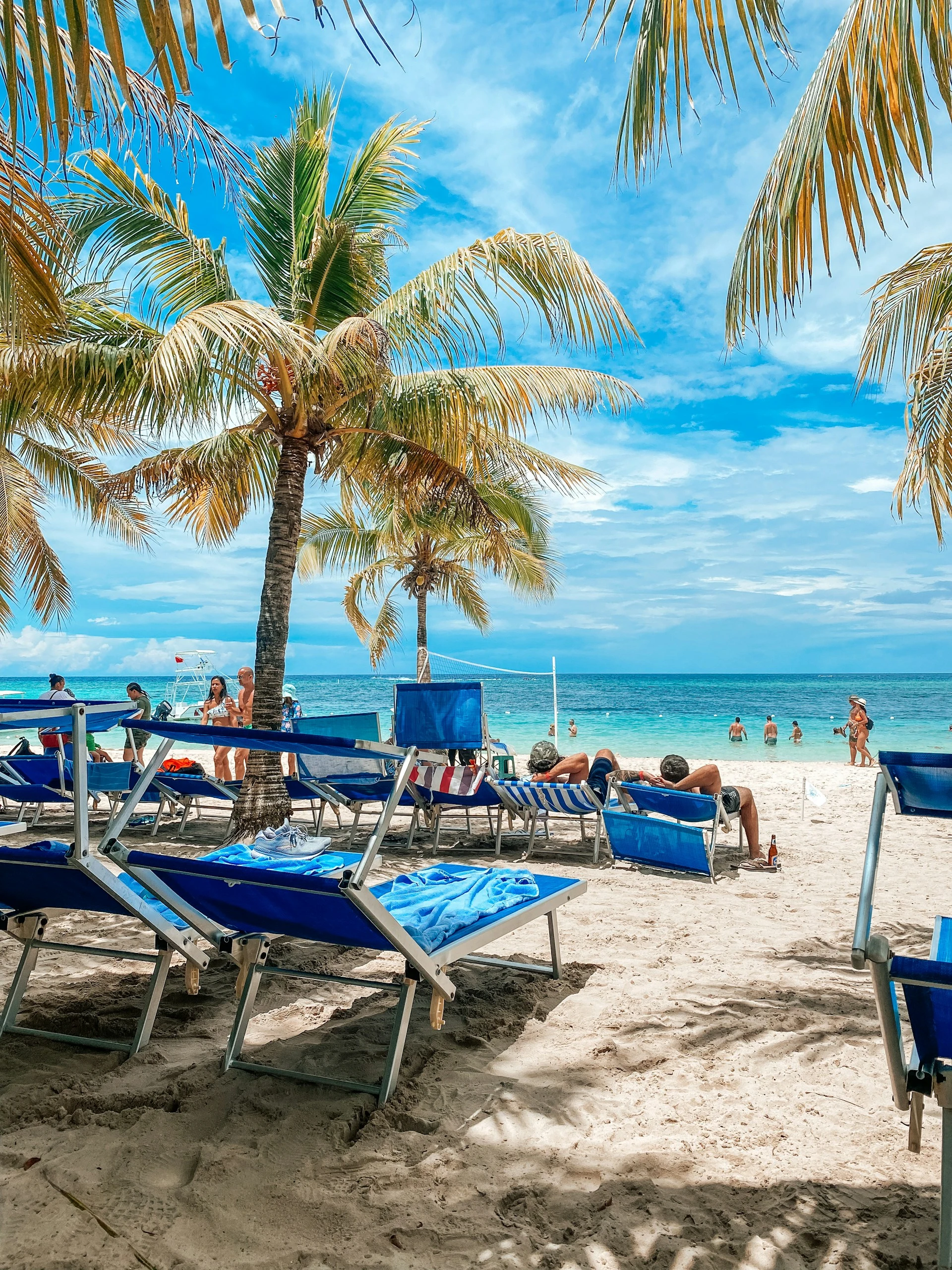
Roatan is the largest of Honduras' Bay Islands, sitting about 40 miles off the Central American mainland in the western Caribbean Sea. The island itself stretches roughly 40 miles long but only a few miles wide, so you're never far from a beach no matter where you land. Inland, the terrain rises into forested hills; along the coast, the water shifts from pale turquoise in the shallows to deep blue just past the reef line.
That reef is the headline reason divers and snorkelers fly (or sail) here in the first place. Roatan sits along the Mesoamerican Barrier Reef, the second-largest barrier reef system on Earth, stretching from Mexico's Yucatan Peninsula down to the Bay Islands. It shelters more than 500 species of fish along with sea turtles, dolphins, and, in season, whale sharks, and because much of it sits close to shore, you don't need a dive certification or a long boat ride to see it up close.
The island's history is just as layered as its reef. Roatan changed hands between Spanish, British, and Honduran control over the centuries, and pirates including Henry Morgan used its sheltered bays as hideouts in the 1600s, which is part of why "Pirates of the Caribbean" history buffs find the place so fascinating. In 1797, the British exiled a group of Garifuna people (descendants of West African and Indigenous Caribbean ancestry) from the island of Saint Vincent to Roatan, and their UNESCO-recognized culture is still very much alive today in communities like Punta Gorda, the island's oldest settlement. The result is a place where English is spoken almost everywhere thanks to that British and Caymanian heritage, Spanish is common too, and Garifuna drumming, dance, and cuisine give the island a cultural identity unlike anywhere else in Honduras.
Why Take This Trip?
A 5-night cruise is one of the easiest ways to see this part of the Caribbean without the planning headache of booking flights, transfers, and hotels for two separate countries. You unpack once, and the ship hands you Roatan and Cozumel on consecutive days while you sleep in between. From Tampa, you'll board a lively ship from one of the major lines, with entertainment, meals, and relaxation already included in the fare. These cruises typically run $400-$600 per person for an interior cabin, which covers your room, food, and onboard activities for the whole five nights, so the per-day cost ends up lower than most people expect once you do the math against a land-based beach vacation.
The bigger reason to go, though, is what Roatan offers that a lot of more developed Caribbean islands no longer can. Because tourism here grew up around diving rather than mega-resorts, much of the island still feels unhurried and a little wild. You can snorkel right off Half Moon Bay and be in open water above living coral within a few minutes of wading in. You can zip-line over the rainforest canopy at a spot like Gumbalimba Park, wander through a botanical garden full of rescued monkeys and sloths, or spend an afternoon at Punta Gorda watching a Garifuna drumming circle that's been passed down for generations rather than staged for cruise crowds. Cozumel, the second stop on this itinerary, rounds things out with Mayan ruins at San Gervasio and even more world-class snorkeling, so by the time you're back on the ship, you've sampled two completely different flavors of the Caribbean in under a week.
What to Do in Roatan
Beaches and reef. West Bay Beach is the island's most photographed stretch of sand, with calm, clear water that's good for first-time snorkelers, while Tabyana Beach offers a quieter, slightly more upscale day-pass experience with loungers and a reef just offshore. If your ship docks at Mahogany Bay, the cruise line's private beach park puts you in the water within a 10-minute walk of the pier, which is ideal if you only have a few hours ashore.
Adventure. Beyond snorkeling and diving, Roatan has a real adventure-park scene. Zip-lining through the rainforest canopy, ATV tours along jungle roads, and horseback rides along the beach are all popular half-day options that get you off the sand and into the island's interior.
Culture. Punta Gorda is worth the detour if you want more than a beach day. It's the oldest Garifuna settlement on the island, and visiting gives you a window into a culture that's distinct from both mainland Honduras and the rest of the Caribbean, with its own language, music, and food traditions that UNESCO has formally recognized as intangible cultural heritage.
Best Time to Travel
Roatan stays warm year-round, with daytime temperatures typically in the 80-85°F range, so there's no real "bad weather" season the way there is up north. That said, timing still matters for visibility and crowds. Dry months from February to April bring minimal rain, calm seas, and the clearest water of the year, which matters a lot if snorkeling and diving are the main reason you're going. For fewer crowds and better cruise prices without sacrificing much weather quality, May to June or November to early December tend to be the sweet spot. July through October is hurricane season in the western Caribbean, and while a direct hit on Roatan is rare, storms elsewhere in the region can still disrupt cruise itineraries, so it's worth checking the forecast before booking that window. If you specifically want to see whale sharks, plan around March-April or September-October, when they're most often spotted near the island.
How to Extend the Value with Points and Miles
Because the cruise fare already bundles your room, meals, and entertainment, points and miles do the most good covering the costs around the cruise rather than the cruise itself. Use airline miles for your flight to Tampa, since that's a cash expense most cruise fares don't include. If you're flying in a day early (smart, in case of delays) or staying an extra night after disembarking, hotel points can cover that stay for free. Rewards cards with strong sign-up bonuses are especially useful here, since a single welcome bonus can often cover both the flight and a pre-cruise hotel night. Onboard, you'll still pay cash or use the ship's account system for shore excursions, drink packages, and specialty dining, so it helps to budget for those separately rather than assuming points will stretch that far.
Where to Eat and Drink
Roatan's food scene leans casual and beachy. Right at the West Bay docks, beach bar grills serve grilled snapper and conch fritters for around $10-$20 a plate, a good value pick between snorkeling sessions. For something a bit more relaxed, the restaurants along West End's main strip mix Caribbean and seafood dishes in the $15-$30 range, with plenty of patio seating for watching the sunset. If your ship docks at Mahogany Bay, the food trucks near the cruise pier are a quick, cheap option before you head back aboard. Wherever you eat, fresh-caught snapper, conch ceviche, and baleadas (a Honduran flour tortilla filled with beans, cheese, and your choice of meat) are worth seeking out as the island's signature flavors.
Roatan Travel and Packing Tips
US citizens need passports for re-entry to the US (no visa is required for short Honduras stays on a cruise excursion). The lempira is the official currency, but US dollars are widely accepted and often preferred, so there's no real need to exchange money before you go. Bring small bills for tips and street vendors. Port taxis or shuttles to beaches run $20-30 round-trip per group, which is usually cheaper than booking a ship excursion if you're comfortable arranging your own transportation. Reef-safe sunscreen isn't just a nice-to-have here. It genuinely matters for protecting the coral you came to see, and several Caribbean destinations have started restricting non-reef-safe formulas.
- Clothing: Two swimsuits, quick-dry shorts, tank tops, light cover-up, casual evenings attire, light jacket
- Footwear: Flip-flops for pools, water shoes for rocks, sneakers for tours
- Accessories: Reef-safe sunscreen, hat, sunglasses, insect repellent, reusable bottle, waterproof phone case, portable charger
The Takeaway
A 5-night cruise to Roatan and Cozumel packs in two genuinely different Caribbean experiences without asking for more than a long weekend's worth of vacation days. You get world-class reef access, a culture and history you won't find anywhere else in the region, and a Mayan archaeological site, all without juggling multiple flights or hotel bookings. Plan around the dry season if reef visibility is your priority, book early to lock in cabin pricing, and you'll come home with a trip that feels a lot bigger than five nights.
Looking for more short cruise ideas? Browse the rest of The Ship Deck for more itineraries.
Ready to Book?
Check the latest prices and start planning your Roatan cruise getaway.
See Latest Prices →